Reviewed by: Michael Seale
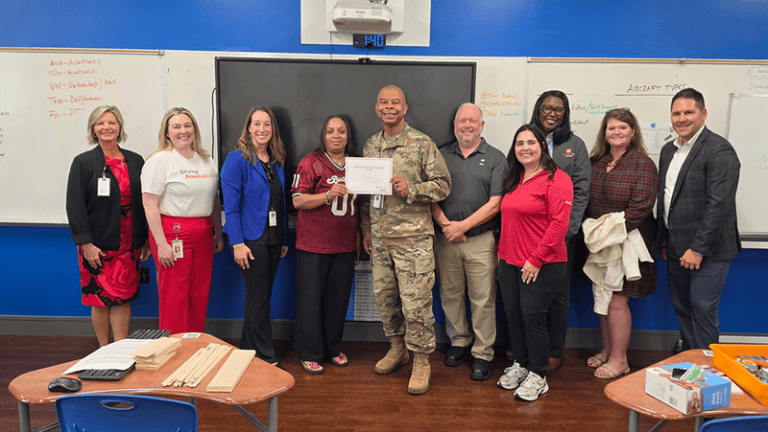
AAMU makes history — earns accreditation for its Environmental Health Program
Reading time: 2 minutes

Alabama A&M University made history when, on August 1, the National Environmental Health, Science and Protection Accreditation Council (EHAC) awarded its Environmental Health Program with full national accreditation.
This makes our local HBCU the first school in Alabama with an EHAC-accredited undergraduate Environmental Health program (UAB does have two accredited graduate programs).
Check out some other programs at AAMU with national accreditation:
- 🧑🏫 All teacher certification programs
- 📊 Business
- 🏗️ Civil Engineering
- 🗣️ Communicative Sciences and Disorders Program
- ✏️ Community and Regional Planning
- 💻 Computer Science
- 💡 Electrical Engineering
- 👨👩👧👦 Family and Consumer Sciences
- 🥦 Family and Consumer Sciences (Dietetics)
- 🐖 Food and Animal Sciences
- 🌲 Forestry
- ⚙️ Mechanical Engineering
- 💬 Rehabilitation Counseling
- 🤝 Social Work
Read more below, and make sure to subscribe to our newsletter to get news like this delivered to your inbox.
What is a national accreditation + how does a university get one?

To put it in simple terms, a national accreditation basically means the program is high-quality — EHAC reviewed it, gave its stamp of approval and essentially said, “yep, this curriculum is good to go.”
The entire process takes approximately one year, and requires AAMU to complete a comprehensive review of its faculty, curriculum, student learning outcomes and overall effectiveness of the program, which was then sent to EHAC.
The accreditation lasts for six years, after which the school will have to complete the process again.
What does national accreditation do for students?

For the students pursuing a degree within the Environmental Health Program, this milestone is huge!
Their university is now in an exclusive group of schools nationwide, and the accreditation provides extra recognition that what they are learning meets established standards within the field and properly prepares them for professional work.
“For our students, accreditation provides external validation that they are receiving an environmental health education that meets nationally recognized standards. It also strengthens their professional preparation and helps connect what they learn in the classroom with the competencies needed in the environmental health workforce.”
Dr. Elica M. Moss, program coordinator for Environmental Science and the Environmental Health concentration
Want more content like this? Follow Hville Blast on Facebook, TikTok, YouTube and Instagram, and be sure to subscribe to our newsletter.

![[VIDEO] 4 more local Huntsville authors for you to check out](https://wp.fifu.app/hvilleblast.com/aHR0cHM6Ly9odmlsbGVibGFzdC5jb20vd3AtY29udGVudC91cGxvYWRzLzIwMjYvMTAvSHVudHN2aWxsZS1NYWRpc29uLUNvdW50eS1QdWJsaWMtTGlicmFyeS02LTEyMDB4ODAwLmpwZw/18ca8f060803/4-local-huntsville-authors-for-you-to-check-out.webp?w=768&h=0&c=0&p=1481100 "[VIDEO] 4 more local Huntsville authors for you to check out")